
AI agents that list your products everywhere
Pull product data from your own systems, fix it, publish it to every channel, and track each listing until it goes live.


















Source
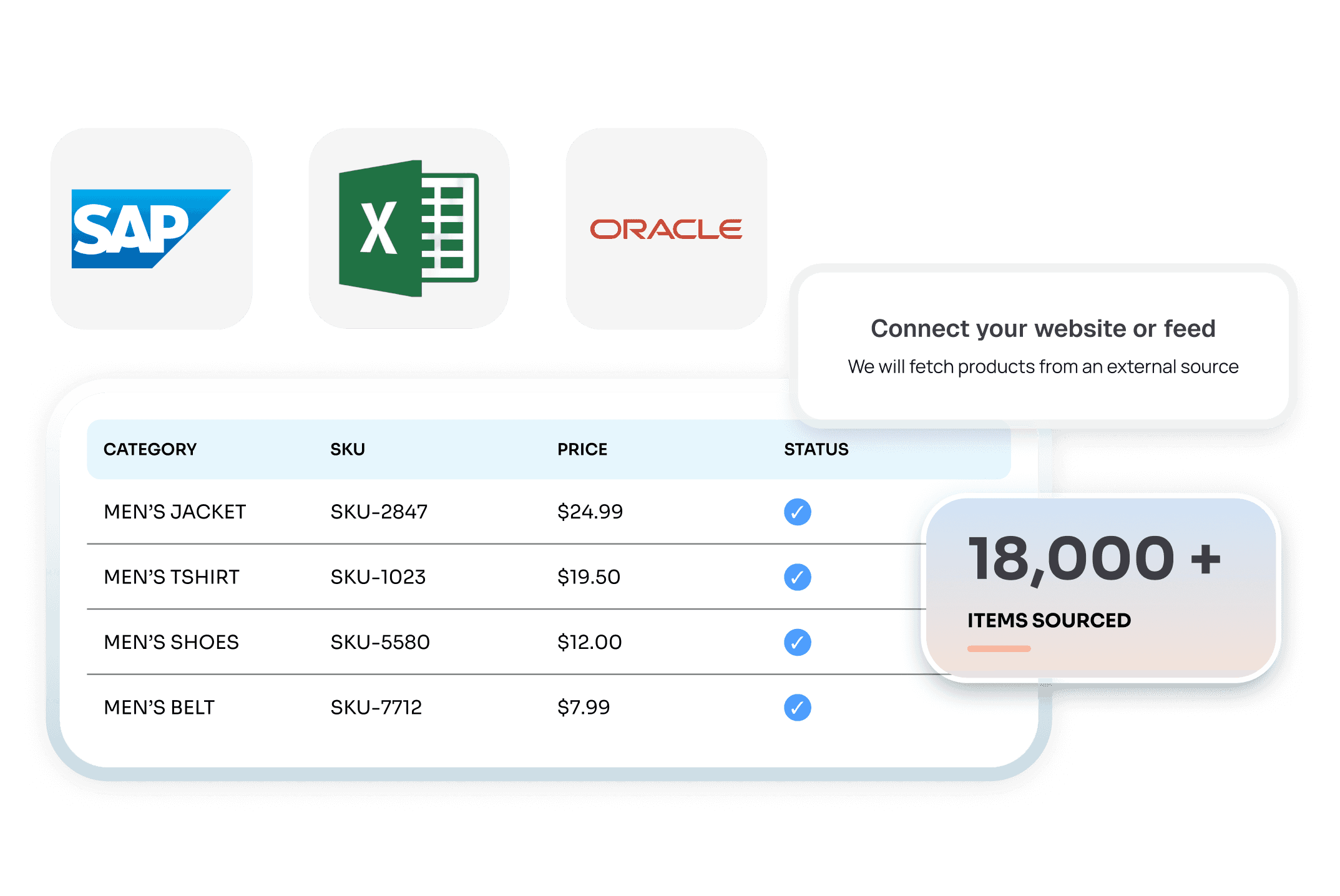
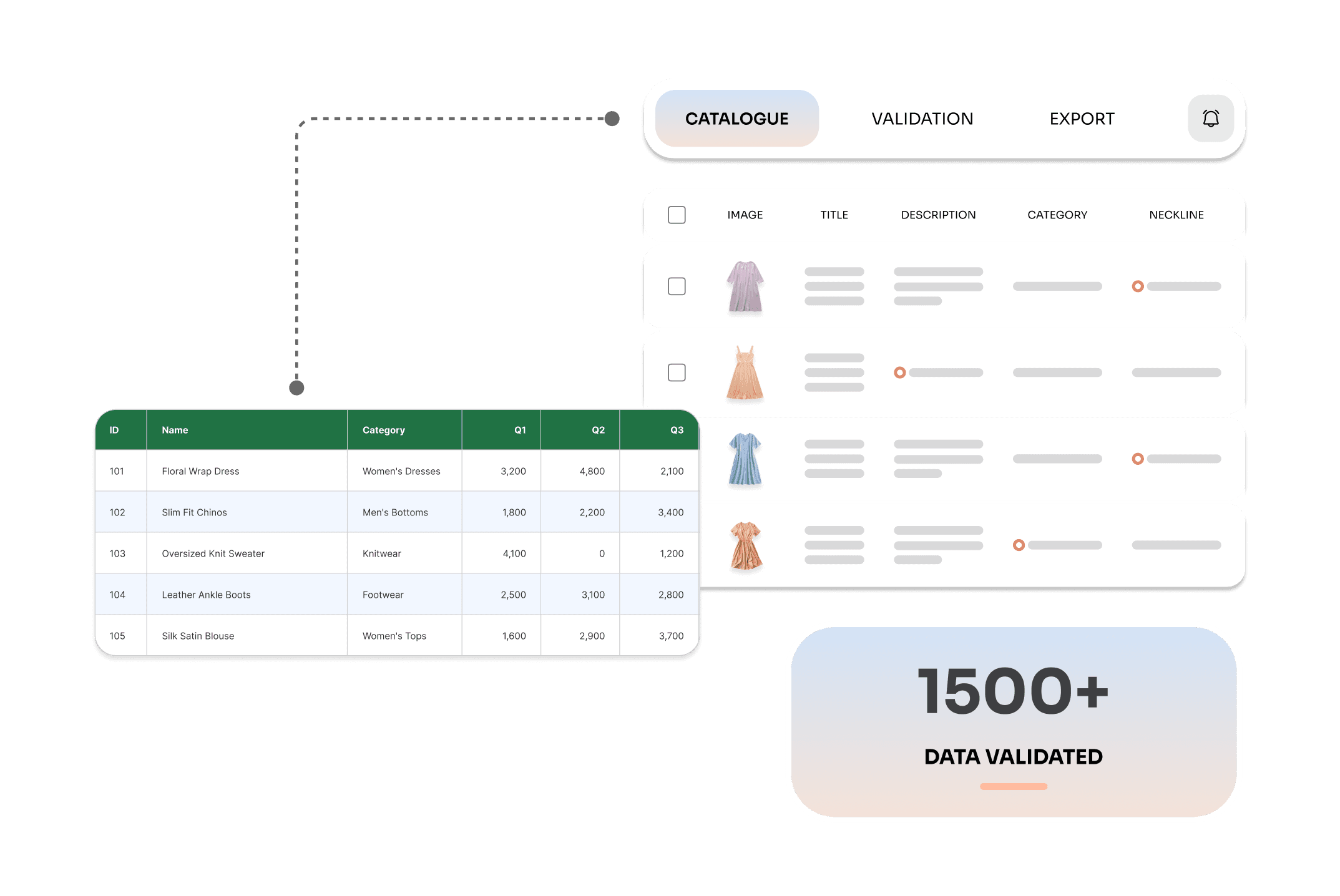
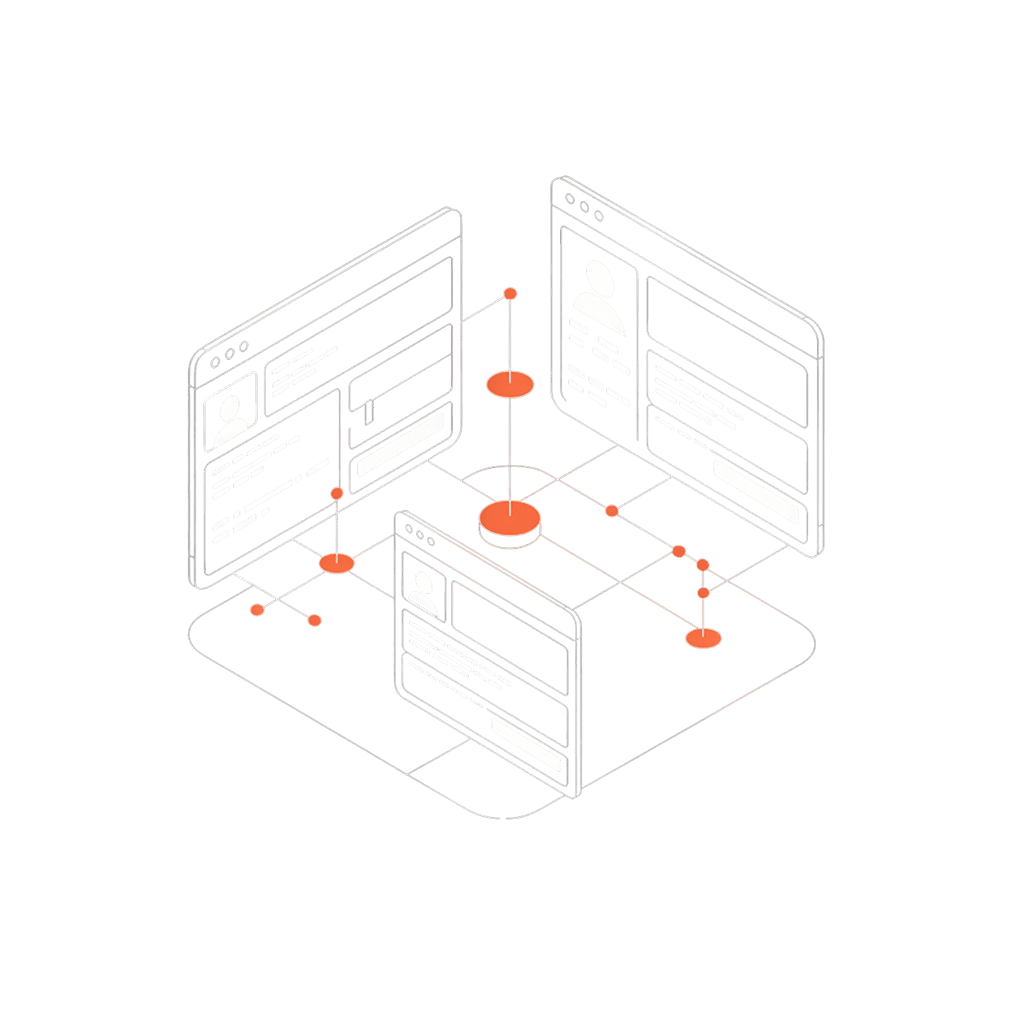
Agents log into your internal tools, pull the data, clean it, and load it into Catalogix automatically.
Structure
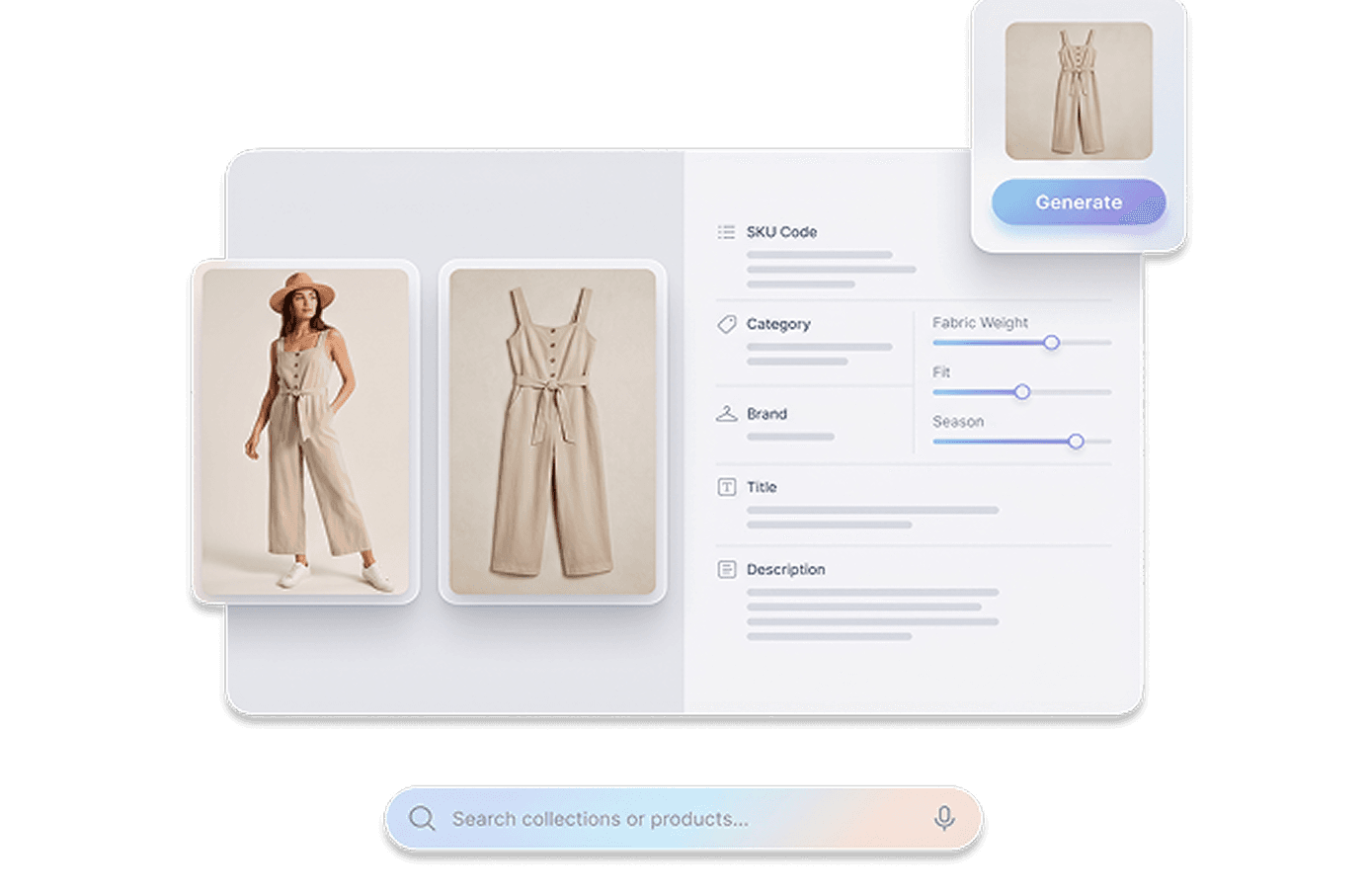
Agents map every value to your own taxonomy, flag what does not comply, fill in any gaps, and store data validated and enriched.
List everywhere
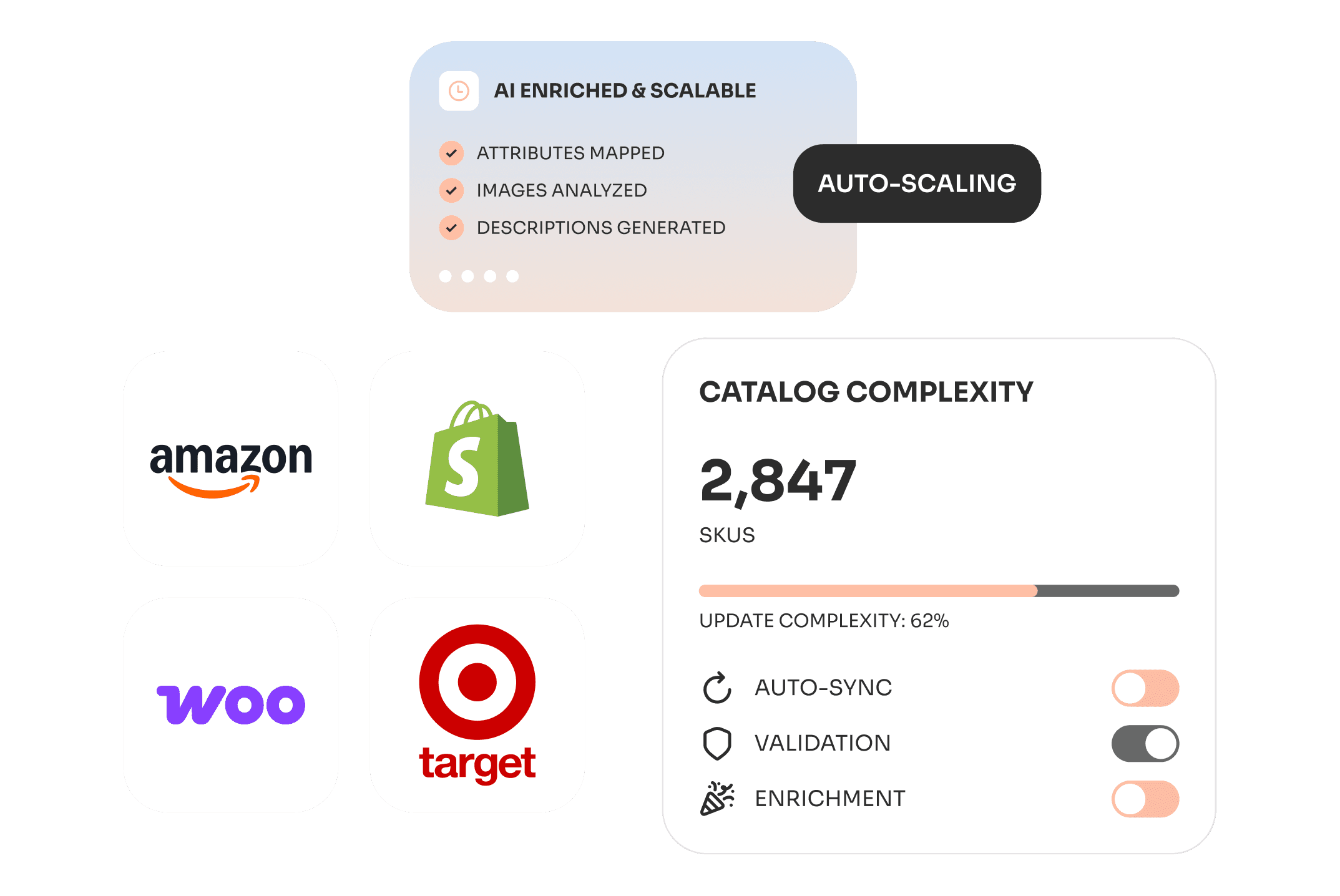
Agents publish to every channel, including ones with no API, using email, FTP, or seller dashboards.
Resolve and monitor
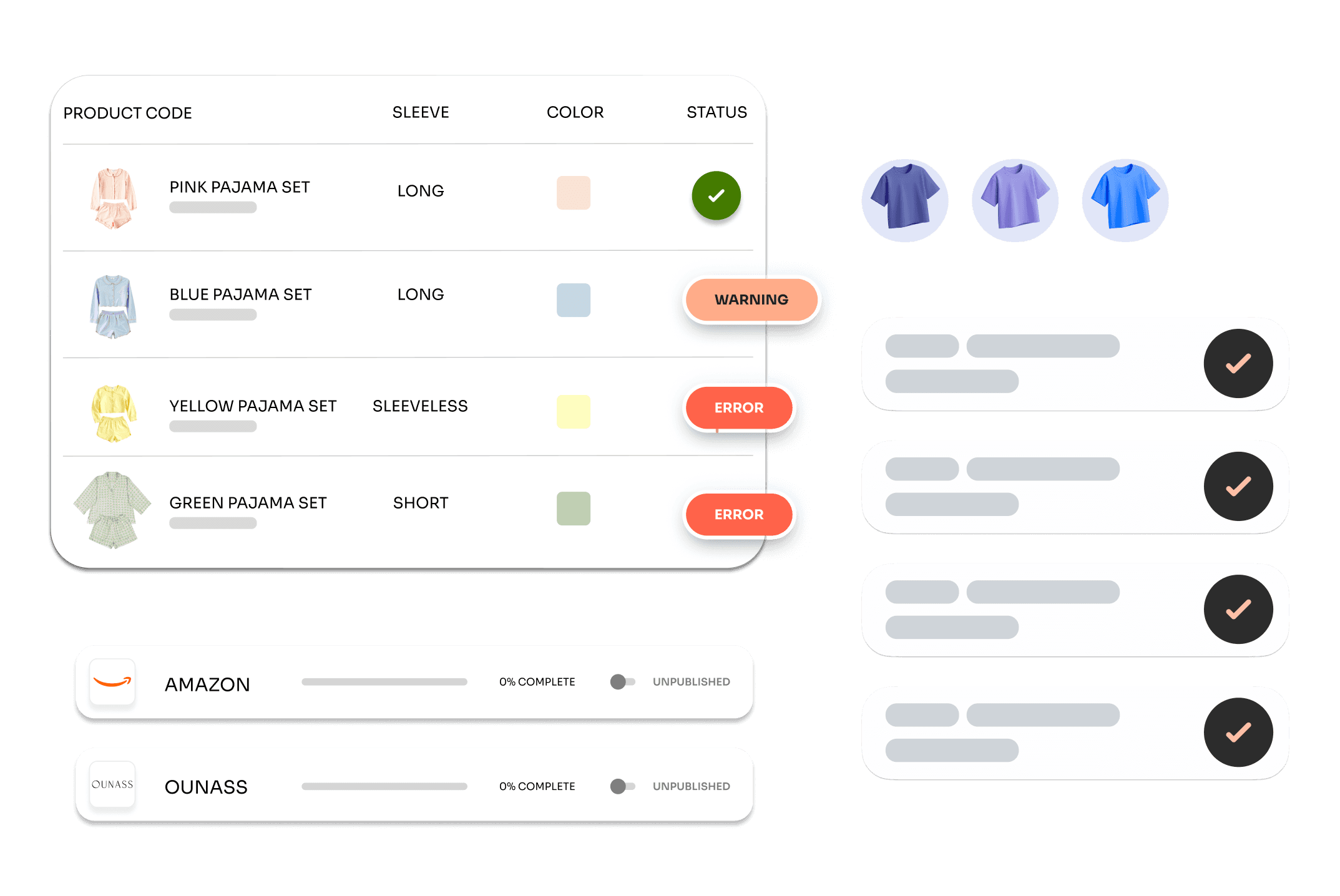
Agents fix what gets flagged, check daily until products go live, and track every status in one place.


— Getting started and basics
What is product catalog management for fashion brands?
Product catalog management is how a brand keeps its product data accurate and ready to sell on every channel. For fashion brands this means clean attributes, sizes, images, and descriptions that match each marketplace. Catalogix structures, validates, and enriches all of it in one place.
What is the difference between Catalogix and traditional PIM tools?
A traditional PIM stores your product data. Catalogix stores it and acts on it. Agents pull data, clean it, list it across channels, fix what gets flagged, and track every status until products go live.
Does Catalogix integrate with PIM, DAM, and ERP systems?
Yes. Catalogix connects directly to your existing PIM, DAM, ERP, and commerce platforms. Agents can also log into your internal tools with your credentials and pull data automatically, so you do not have to export and import by hand.
— Structuring and improving product data
How can AI structure product data for marketplaces?
AI reads your raw product data, detects values that do not fit, and maps everything to your own taxonomy. It fills missing attributes, fixes formatting, and flags what needs review. The result is structured data that each marketplace will accept without rejections.
How do fashion brands fix incomplete product data at scale?
They use automations that run across thousands of products at once. Catalogix fills missing attributes, writes titles and descriptions, pulls details from the web, and reformats data. You fix gaps once and the changes apply everywhere.
How does AI extract product attributes from images?
AI looks at each product image and reads details like color, pattern, neckline, and material. It can also run OCR to pull text from images. These attributes are added to your catalog so listings are complete and easy to search.
— Listing across channels
Can agents publish listings to each marketplace?
Yes. Agents list your products on every channel using your credentials. This works for marketplaces with an API and for ones that need manual steps like email, FTP file drops, or uploading templates in a seller dashboard.
How do fashion brands publish products across multiple marketplaces at once?
They load products into Catalogix once, then agents publish to every channel from there. Each listing is mapped to that marketplace's latest template, so the same product goes live correctly across many marketplaces at the same time.
— Getting found in AI search
How do I make my products show up in ChatGPT, Gemini, and Claude?
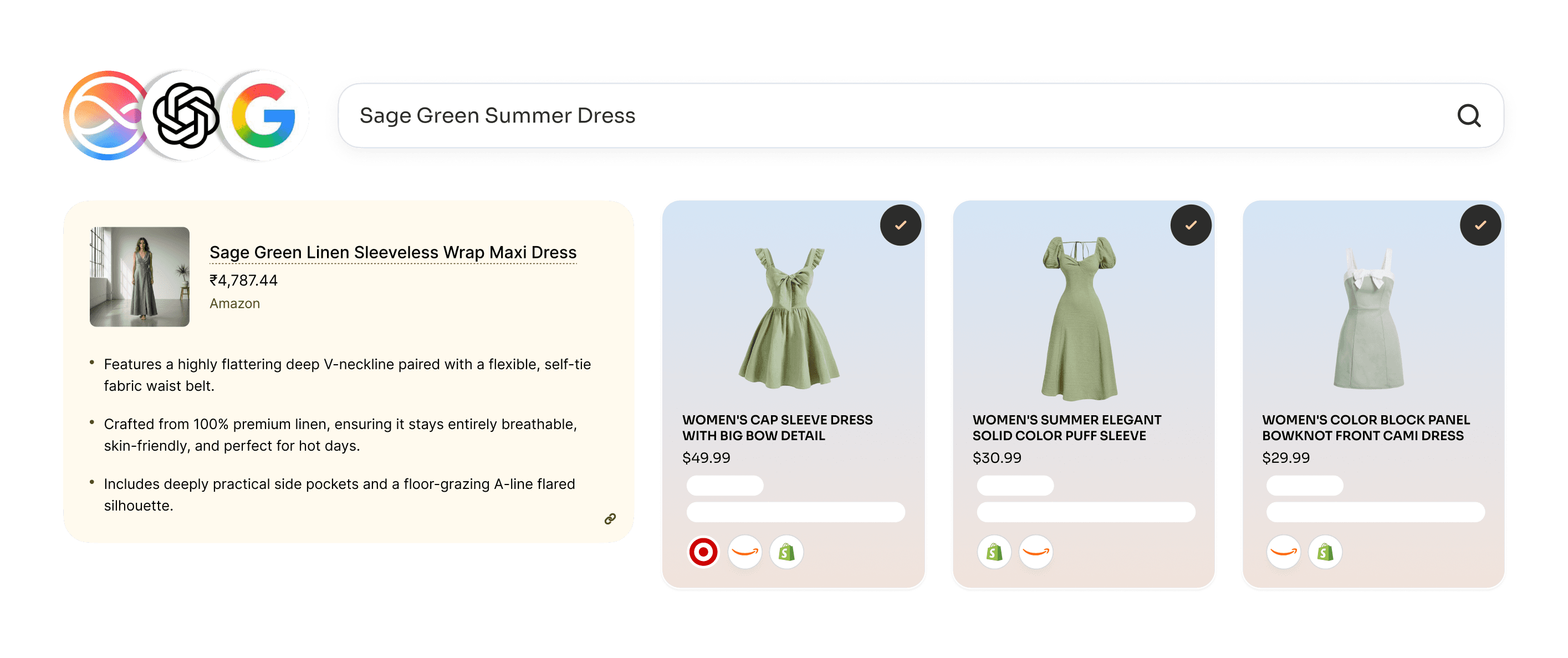
Make sure your product data is clean, structured, and complete. AI assistants recommend products they can read and understand. Catalogix enriches your attributes and descriptions so these assistants can surface your products when shoppers ask.
What is GEO, or Generative Engine Optimization?
GEO is the practice of getting your products picked up by AI assistants when they generate answers. Instead of ranking links, the assistant names products directly. Clean, structured product data is what makes your items show up in those answers.
What is AEO, or Answer Engine Optimization?
AEO is getting your products and pages chosen as the direct answer to a shopper question, whether in search or in an AI assistant. Clear questions, simple answers, and well structured data are what get you selected.
Does better product data really help with AI search?
Yes. AI assistants rely on clear attributes and full descriptions to understand a product. When your data is complete and structured, your products are easier to read, easier to trust, and more likely to be recommended by name.
Can shoppers find my products in AI search without extra work from me?
Yes. The same clean data that goes live on marketplaces is also what AI assistants read. With Catalogix you publish once, and your products are ready for both marketplace search and AI assistants.